Nature Camps: Transforming Local Ecosystems into Living Classrooms
View GalleryIntroduction
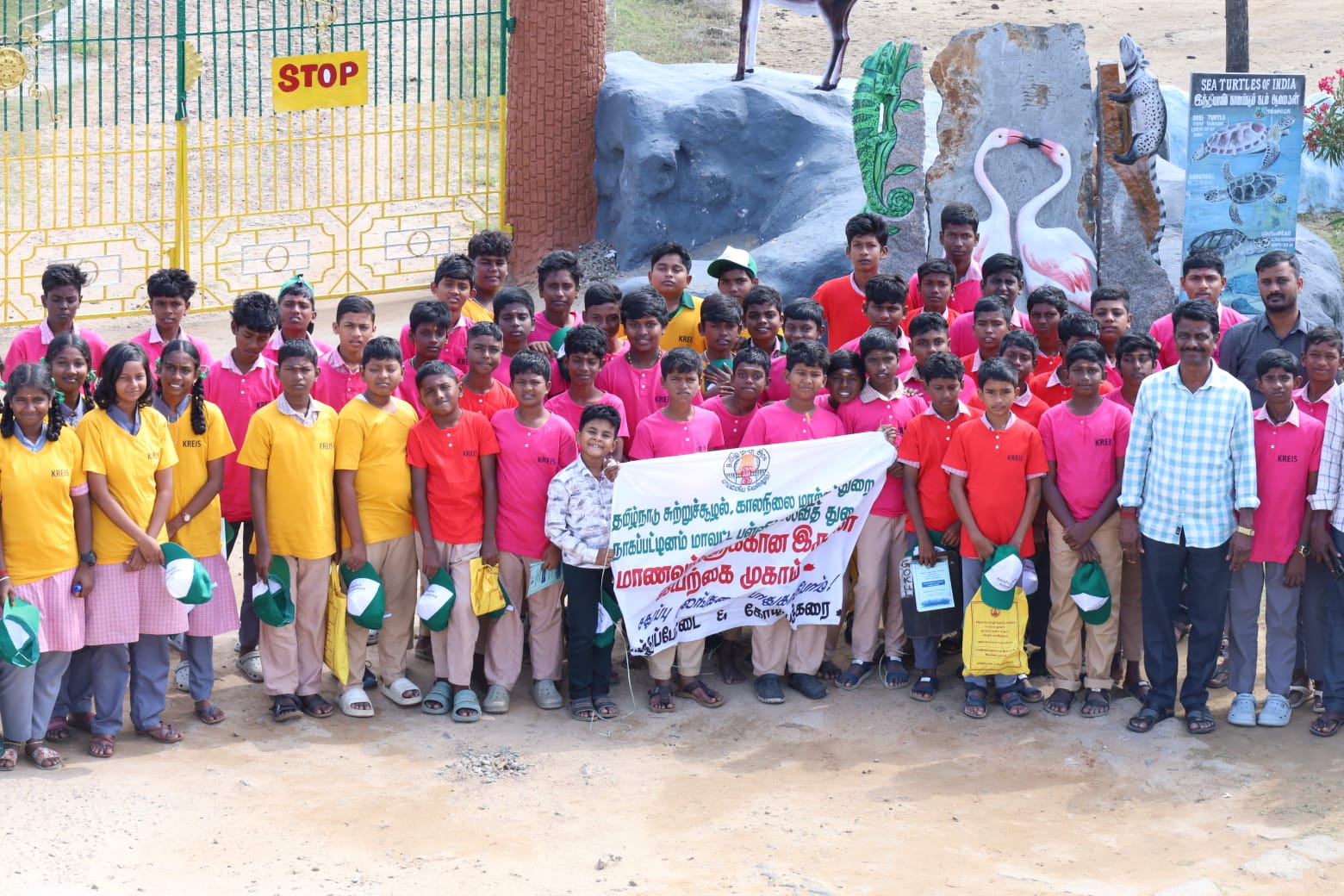
The Nature Camps component is established to bridge the gap between abstract climate theory and the tangible reality of the natural world. While a classroom setting can explain the mechanics of biodiversity loss or soil erosion, it cannot replicate the profound impact of witnessing a fragile ecosystem firsthand. By transforming forests, wetlands, wildlife sanctuaries, and coastal reserves into active classrooms, this program provides students from all districts with an immersive, practical educational experience. The foundational philosophy here is simple: we protect what we love, and we love what we understand. Immersive exposure to nature instils an emotional and ethical commitment to conservation that textbooks alone cannot achieve.
Field Activities
The curriculum of the Nature Camps is explicitly designed around experiential field pedagogy, moving away from passive lecturing toward active, hands-on scientific inquiry. During these fully sponsored multi-day camps, students are transformed into junior field researchers. Key experiential modules include:
- Biodiversity Mapping: Under the guidance of expert naturalists and forest officials, students learn to identify local bird species, track animal footprints, document insect populations, and understand the symbiotic relationships within the habitat.
- Micro-Climate Analysis: Students utilize handheld weather stations and sensors to measure humidity, canopy temperature differentials, and soil moisture levels across different zones, experiencing how forest cover actively mitigates local temperature extremes.
- Climate Impact Observations: Campers observe the direct, localized footprints of climate change, such as changing vegetation lines on mountain slopes, the proliferation of invasive plant species, or the erosion patterns along coastal wetlands.
Safety Standards
Executing a comprehensive statewide field program requires meticulous logistical coordination and a strict adherence to safety protocol. The portal acts as the central hub managing these operations:
- District-Wise Allocation: Each district is assigned specific camp cohorts, ensuring that rural, urban, and semi-urban schools receive equal participation quotas. Camps are strategically located to minimize travel fatigue while maximizing ecological diversity.
- Inter-Departmental Collaboration: The program is run in coordination with the state Forest Department, local environmental authorities, and certified conservation NGOs, ensuring that students are guided by highly knowledgeable field experts.
- Comprehensive Safety Protocols: Student safety is paramount. Every camp is accompanied by designated school teachers and trained eco-guides. Locations are mapped for cellular coverage, campsites are secured against wildlife hazards, and dedicated emergency medical transport and first-aid protocols are active for every single trip.
Long Term Impact
The Nature Camps serve as an intellectual and emotional turning point for participating youth. Stepping out of urban centres or structured rural towns into a thriving, wild ecosystem changes a student's spatial perspective. They return to their communities not just with memories of an adventure, but with a deep, personal understanding of ecological interconnections. These students become the core ambassadors for conservation within their home schools, spearheading local eco-club activities, leading tree planting drives, and advocating for the protection of local water bodies and green spaces.